Door-to-door delivery means a courier collects your parcel from your address and delivers it directly to the recipient's address, with no intermediate handoff or drop-off required from either party. It is the standard service offered by most courier platforms, including Cargosender, and the most convenient option for both senders and recipients.
How Door-to-Door Delivery Works
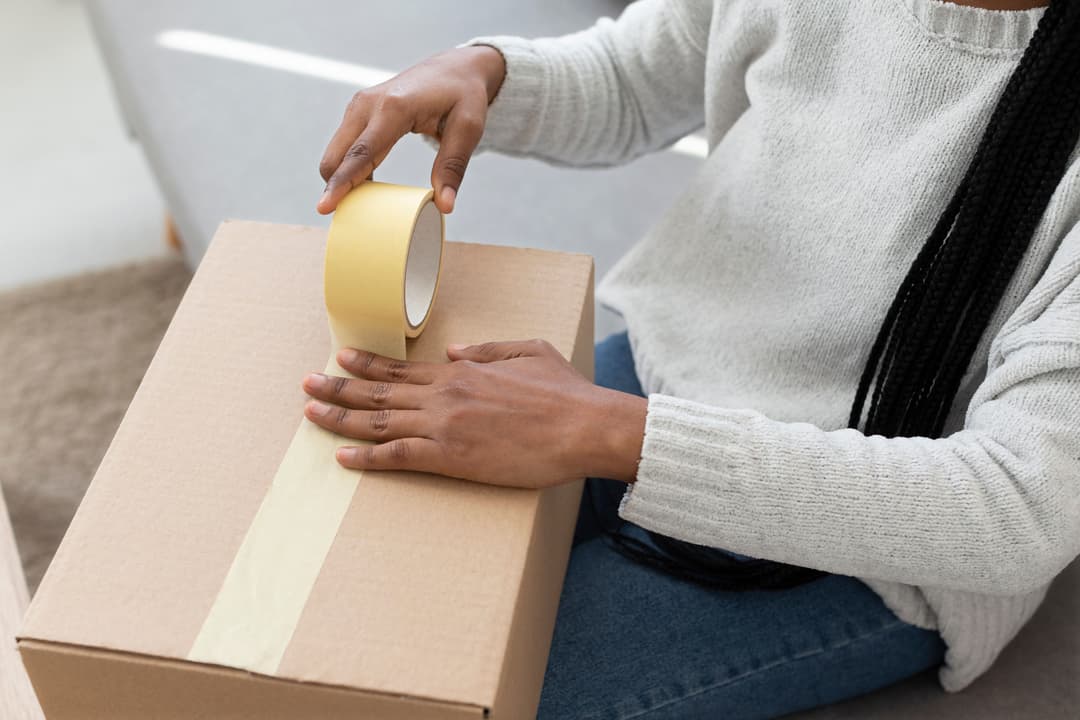
When you book a door-to-door service, you schedule a pickup date and time window. A driver from the carrier arrives at your address, collects the parcel, and takes it to a local depot. From there, it enters the carrier's sorting and transit network — moving through depots, potentially crossing borders, and being transferred to a delivery vehicle closer to the destination.
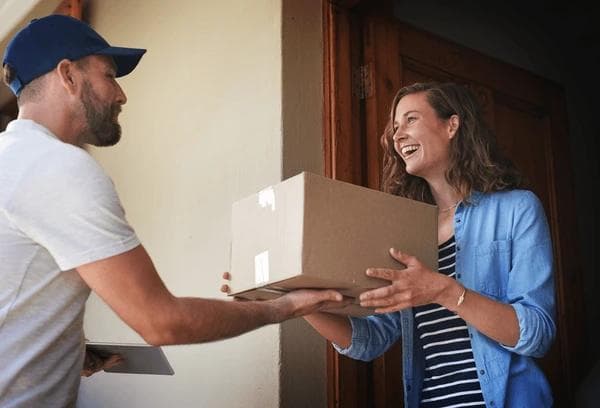
On the delivery side, a driver loads your parcel onto a local delivery van and brings it to the recipient's address. The recipient may need to sign for it, or the driver may leave it in a safe place or with a neighbour if you have authorised this at booking.
Benefits of Door-to-Door
The main benefit is convenience. Neither you nor the recipient needs to travel to a post office, courier shop, or collection point. For heavy or bulky items, this is particularly important — carrying a 20 kg parcel to a drop-off location is impractical. For businesses, door-to-door reduces the time staff spend on logistics.
Door-to-door also typically includes a tracking number that follows the parcel through every stage of the journey, giving both sender and recipient visibility.
Costs
Door-to-door is more expensive than drop-off services because the carrier incurs additional cost for the collection. The difference is typically €2 to €5 per parcel for domestic routes. For international shipments, collection is usually included in the standard price. Compare door-to-door versus drop-off pricing on Cargosender if cost is the primary concern.
When the Recipient Is Not Home
If the recipient is not available when the driver attempts delivery, most carriers will try again the next business day, leave a card with collection instructions, or both. The recipient can typically reschedule via the carrier's website using the tracking number. Some carriers offer a safe-place nomination at the time of booking — the driver will leave the parcel in a specified location without requiring a signature.
Door-to-Door vs. Collection Points
Collection points — parcel lockers, convenience stores, and carrier-affiliated shops where recipients collect their parcels — are cheaper and eliminate failed delivery attempts. They work well for recipients who are rarely home during delivery hours. Door-to-door is better for heavy items, fragile goods, recipients who prefer not to travel, and business deliveries where someone is always on-site.