International shipping rates in 2026 are shaped by fuel surcharges, carrier capacity, and the route you are shipping on. The cheapest rate for any shipment is rarely the same carrier from week to week or route to route. Here is how to consistently find the lowest price without compromising on reliability.
Use a Comparison Platform First
The most effective single action is to stop booking directly with carriers. Direct carrier websites charge retail rates. Comparison platforms like Cargosender negotiate volume-based rates and pass the saving to customers. The difference is typically 20 to 40% on standard routes. For international shipments, this can translate to €10 to €30 savings per parcel.
Understand Volumetric Weight
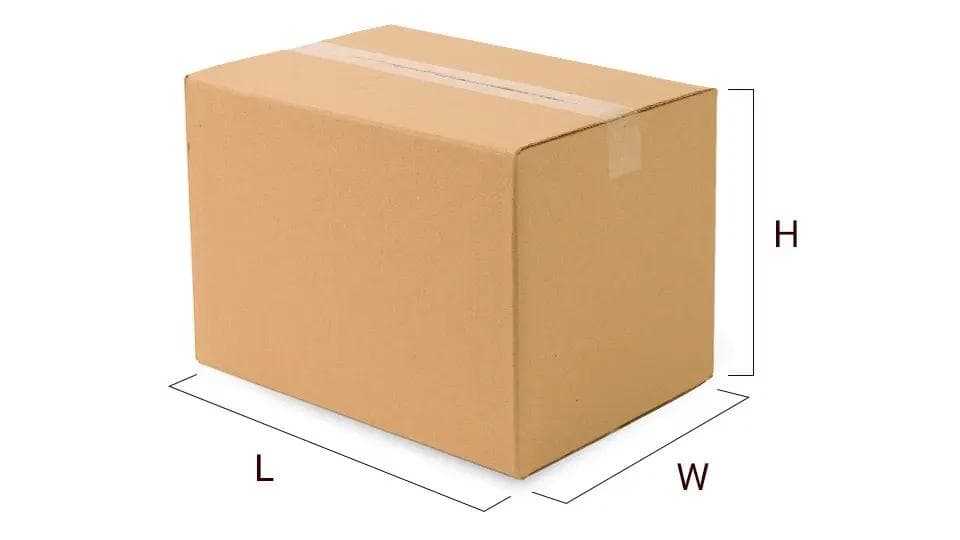
Carriers charge based on actual weight or volumetric weight, whichever is higher. Volumetric weight = (length x width x height in cm) / 5000 for air-equivalent services, or 4000 to 5000 for road. A 40 x 30 x 30 cm box has a volumetric weight of 7.2 kg regardless of what is inside it. If your actual parcel weighs 3 kg, you will still be charged for 7.2 kg. Reducing packaging dimensions directly reduces cost.
Economy vs Express — Honest Time Assessment
Most businesses default to express shipping when economy would be perfectly adequate. If your customer or recipient does not need the parcel within 48 hours, economy service (three to six business days) costs 30 to 60% less on international routes. Be honest about which shipments genuinely require express and route the rest through economy.
Consolidate Shipments Where Possible
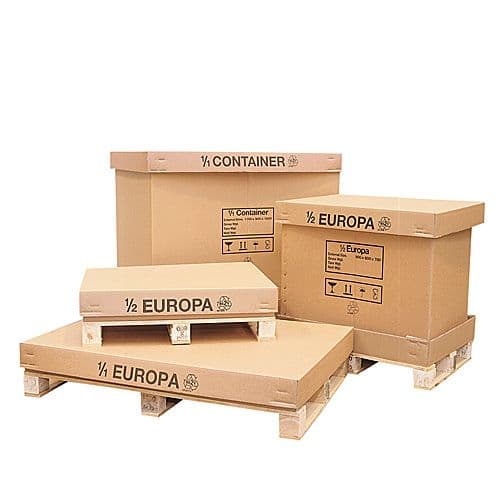
Multiple small parcels to the same destination cost more than one larger consolidated shipment in many cases. If you regularly ship to the same country or region, explore weekly pallet consolidation. A half pallet to France, Germany, or the UK may cost less than sending six individual parcels separately.
Check Fuel Surcharges
Carrier fuel surcharges change monthly and can add 15 to 30% to base rates during periods of high oil prices. These surcharges are listed separately from base rates on most comparison platforms. Tracking fuel surcharge trends can help you time non-urgent shipments.
Avoid Surcharges
Correction surcharges for misdeclared weight or dimensions, remote area surcharges for hard-to-reach postcodes, and residential delivery surcharges all inflate the final bill. Declare accurately, verify postcodes, and where possible use commercial delivery addresses. Each of these individual surcharges is avoidable with accurate booking information.