Shipping mistakes are expensive. They cause delays, damage claims, customs holds, and surcharges that erode margins and frustrate customers. Most are entirely avoidable. Here are the ten most common errors businesses make when shipping, and what to do instead.
1. Inaccurate Weight and Dimensions
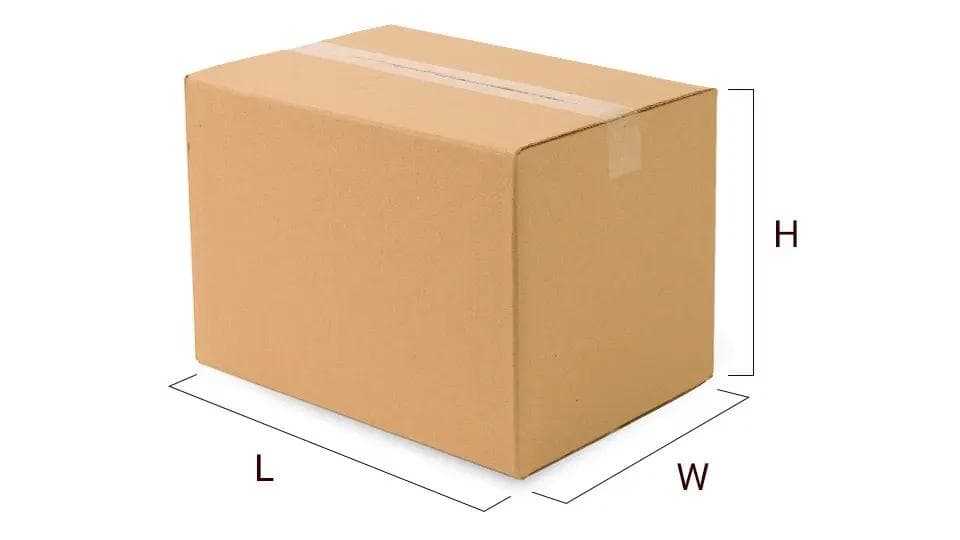
Declaring the wrong weight or dimensions is the single most common cause of unexpected charges. Carriers measure every parcel at the depot and apply correction surcharges for discrepancies. Weigh every parcel on a calibrated scale after full packing. Measure all three dimensions at their widest points and enter the numbers exactly.
2. Using Damaged or Undersized Boxes
A box that has been used before and shows signs of compression or damage has reduced structural strength. Carriers stack parcels, and a weak box will collapse under the load. Use new, appropriately sized boxes with a 5 cm cushioning margin on every side.
3. Booking the Wrong Service Type
Economy and express services operate on different networks with different transit times and handling standards. Booking economy for a time-sensitive shipment causes delays. Booking express for a non-urgent, low-value parcel wastes money. Match the service to the actual requirement.
4. Missing or Incorrect Customs Documentation
International shipments outside the EU require a commercial invoice with an accurate description, value, HS code, and country of origin. Missing or vague documentation — 'gift', 'samples', or undeclared value — causes customs holds and fines. Complete all fields accurately and consistently across all documents.
5. No Insurance on High-Value Goods
Standard carrier liability is low — typically €25 to €100 per kg. For anything worth more than the carrier's base liability, declare the full value at booking and add appropriate cover. The premium is a fraction of the replacement cost.
6. Incorrect Recipient Address
A wrong postcode or house number causes a failed delivery, return shipment, and rebooking cost. Verify the full recipient address — including apartment number, floor, and postcode — before confirming every booking. For business deliveries, include the company name and a contact number.
7. Poor Internal Cushioning
Empty space inside a box allows contents to move during transit, leading to breakage and vibration damage. Fill all void space with bubble wrap, packing peanuts, or air cushions. Shake the sealed box — if you hear movement, add more padding.
8. Ignoring Prohibited Items Lists
Every carrier maintains a list of prohibited and restricted items. Shipping restricted goods — certain batteries, chemicals, aerosols, food products — without the correct declaration or documentation can result in parcel seizure, fines, and account suspension. Check the prohibited items list before booking.
9. Not Tracking Shipments Proactively
Waiting for a delivery problem to surface before checking tracking means you react late. Monitor shipments actively and set up carrier notifications. Early detection of a delay, customs hold, or failed delivery attempt allows you to act while options are still available.
10. Failing to Keep Proof of Dispatch
Proof of dispatch — carrier receipts, booking confirmations, photos of the packed and labelled parcel — is essential for insurance claims and disputes. Keep records for every shipment for at least 90 days. Digital records are easier to maintain and retrieve than paper ones.