Shipping is one of the highest variable costs for an e-commerce business, and it directly affects customer satisfaction, repeat purchase rates, and profitability. Choosing the right shipping strategy requires understanding the trade-offs between cost, speed, and reliability — and aligning them with your customers' expectations.
What Your Customers Actually Expect
Research consistently shows that free or low-cost shipping is the single biggest factor in e-commerce purchase decisions. Across Europe, customers expect standard delivery within three to five business days for free, and next-day delivery for a reasonable fee. In markets like the UK and Germany, next-day is increasingly the baseline expectation even for standard orders.
Domestic vs. Cross-Border Shipping
Shipping within one country is simpler and cheaper than shipping across borders. Domestic shipments have no customs requirements, shorter transit times, and more carrier competition. If your business primarily serves one country, optimise your domestic shipping first — negotiate directly with two or three carriers and A/B test them on delivery speed and damage rates.
For cross-border e-commerce within the EU, road-based carriers like GLS, DPD, and DHL Parcel offer the best balance of cost and transit time. For non-EU countries (UK, Switzerland, Norway), factor in customs documentation and duties. Many customers expect Delivered Duty Paid (DDP) — meaning the seller handles import duties — particularly for UK-bound shipments post-Brexit.
Service Level Options
Standard (economy) delivery is best for low-margin products where price sensitivity is high. Two to five day transit times are acceptable if communicated clearly at checkout. Express delivery (one to two days) works as a premium option customers can choose and pay for. Offering both gives customers control and reduces cart abandonment from customers who need speed.
Packaging for E-Commerce
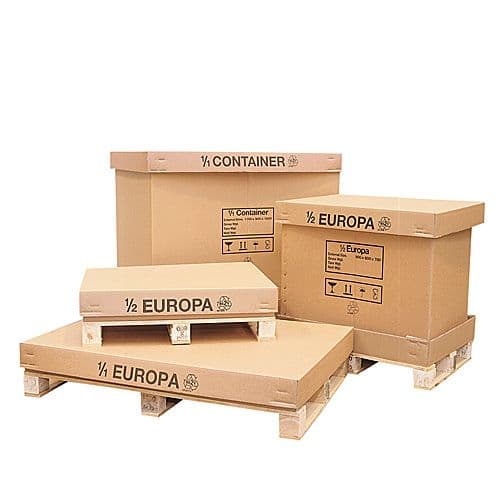
Use the smallest box that safely fits your product. Carriers charge by volumetric weight, and oversized boxes increase both carrier costs and materials costs. Branded packaging improves unboxing experience but adds cost — consider it for high-value products and use plain boxes for lower-value items.
Returns
A clear, easy returns process increases conversion rates. Research shows that 67% of shoppers check a retailer's return policy before purchasing. Prepaid return labels or portal-based returns management reduce friction. Build return shipping costs into your pricing model rather than absorbing them unexpectedly.
Using Cargosender for E-Commerce
Cargosender gives e-commerce businesses access to multiple carriers from one dashboard. You can compare rates per shipment, book in bulk, and manage all tracking from one place. For stores shipping more than 50 parcels per month, contact us for volume-based pricing.