Shipping is now a core part of the customer experience for online retail. A poor delivery experience — missed windows, lack of tracking, difficult returns — is one of the top reasons customers do not repurchase. Here are the trends shaping what customers expect and what sellers need to offer in 2026.
Returns Are Now a Revenue Driver, Not a Cost Centre
Free and easy returns have become a baseline expectation in many e-commerce categories. Retailers that offer friction-free returns — prepaid labels, multiple drop-off points, fast refund processing — see 20 to 30% higher repeat purchase rates than those with restrictive return policies. Returns processing services and reverse logistics networks have expanded significantly in Europe to meet this demand.
Sustainability as a Purchase Factor
Customers increasingly consider environmental impact when choosing between sellers. Options like carbon-neutral shipping offsets, consolidated delivery (fewer shipments, lower total emissions), and reusable packaging are being offered by forward-thinking online retailers. Several carriers now offer verified carbon-neutral shipping options — these are meaningful differentiators for environmentally conscious customers.
Cross-Border Growth
European cross-border e-commerce has grown at 15 to 20% annually. The largest flows are within the EU (Germany, France, Spain, Netherlands) plus UK and Switzerland. Post-Brexit, UK-EU cross-border volumes reduced initially but have stabilised as businesses adapted to customs requirements. For online sellers not yet shipping internationally, most EU routes are now accessible without specialist customs expertise, particularly for shipments under €150 that benefit from EU import VAT thresholds.
Delivery Speed Expectations
Next-day delivery is now the expectation rather than the premium in many categories in major markets. In peripheral or smaller markets, two to three day delivery remains the norm. Online sellers need to segment their customer base by geography and set appropriate expectations — and consistently meet them. Consistent two-day delivery that is reliably delivered outperforms next-day delivery that is occasionally missed.
Parcel Lockers and Click-and-Collect
Failed home deliveries are expensive and frustrating. Parcel locker networks (Inpost, DHL Packstation, Amazon Hub Locker) have expanded dramatically. Offering locker delivery as an option reduces failed delivery rates and gives customers more control. For sellers shipping to markets with dense locker coverage (Poland, Germany, UK), locker options should be offered at checkout.
Transparency and Tracking
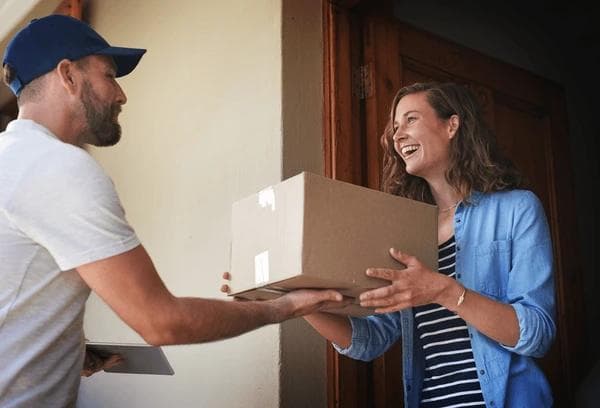
Customers now expect proactive, accurate tracking updates from pickup to door. Sellers who provide tracking links immediately after dispatch and who proactively communicate delays see significantly fewer 'where is my order' customer service contacts. Tracking quality is now a factor in carrier selection decisions for high-volume sellers.