Fragile items sent through courier networks face multiple handling events — pickup, depot sorting, transit, delivery — each of which involves automated conveyors, stacking, and vehicle vibration. Proper packaging is the only protection your item has throughout this process. These techniques, when applied correctly, mean fragile goods arrive undamaged even through normal courier handling.
Choosing the Right Box
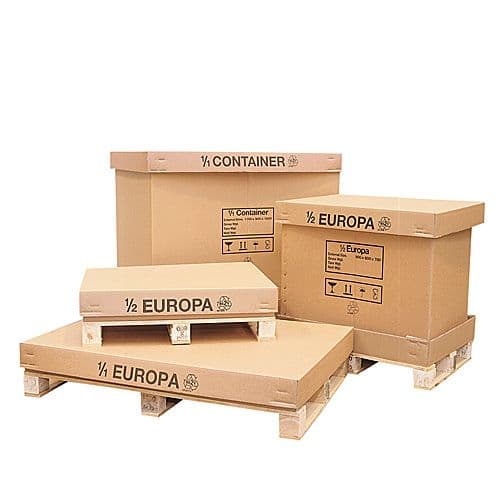
Use a new, double-wall corrugated cardboard box. Never use single-wall boxes for fragile items — they provide insufficient stack resistance. The box must be large enough to allow at least 5 to 7 cm of cushioning material between the item and every wall. If your item is 20 cm tall, use a box at least 34 cm tall.
Never reuse a box that shows signs of previous compression, water damage, or corner damage — these indicate the structural strength has been compromised.
Wrapping the Item
Wrap every fragile item individually in at least two layers of bubble wrap, with the bubble side facing the item. Secure the bubble wrap with tape so it cannot unravel in transit. For very fragile items like ceramics, glass, or electronics, three to four layers of bubble wrap is appropriate.
For electronics, use anti-static bubble wrap (pink-tinted) — standard bubble wrap can generate static that damages sensitive components.
Internal Cushioning
After wrapping the item, place it in the centre of the box surrounded by cushioning material on all six sides. Packing peanuts, crumpled brown paper, foam sheets, or air pillows are all effective. The key principle is that the wrapped item must not touch any wall of the box.
For multiple fragile items in one box, place a layer of cushioning between each item so they cannot contact each other. A common mistake is packing multiple items snugly together with only external cushioning — this allows items to knock against each other during transit.
The Shake Test
Before sealing the box, gently shake it. You should hear and feel nothing moving inside. If there is any movement or sound, add more cushioning. This simple test is the most reliable way to verify your packaging is adequate before you seal it.
Sealing and Labelling
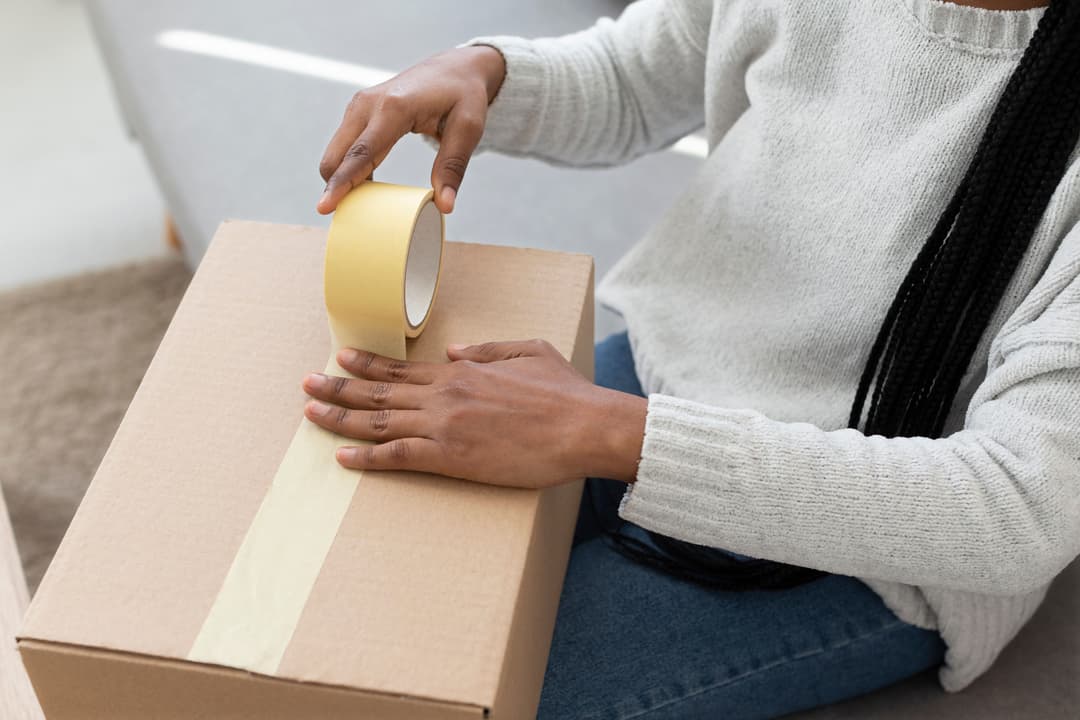
Use packing tape on all seams — the centre seam and both side seams on both top and bottom. For heavy boxes, double-tape the bottom. Mark the parcel clearly with 'FRAGILE' and 'THIS WAY UP' using a permanent marker or adhesive labels on at least two sides.
Note that fragile labels are advisory only — they do not prevent automated sorting and do not guarantee special handling. Proper internal packaging is the only reliable protection. The label is useful for the final-mile delivery driver when loading the vehicle.
Photographic Evidence
Before sealing, photograph the packed item inside the box and photograph the sealed, labelled parcel. This documentation is essential for any damage insurance claim and demonstrates that the item was correctly packaged at the time of dispatch.