When you book a shipment, you declare the weight and dimensions of your parcel. Carriers price the shipment based on that declaration. If the actual parcel is heavier or larger than declared when it goes through the carrier's automated measuring system, an additional charge — called a weight or size correction surcharge — is applied.
How Carriers Detect Discrepancies
Modern courier depots use dimensioning tunnels — automated conveyor systems with weight scales and laser or camera-based measuring equipment — to check every parcel as it passes through the sorting facility. These systems measure length, width, height, and weight to within a few millimetres and grams, and the data is logged against your booking reference automatically.
You will not receive a warning in real time. The correction is applied after the fact, and you will receive an invoice or see a charge on your original payment method days or weeks after delivery.
How the Surcharge Is Calculated
The surcharge is based on the difference between the declared weight (or volumetric weight) and the actual measured weight. Most carriers charge the full price difference for the new weight bracket, plus an administrative correction fee that ranges from €5 to €15 depending on the carrier.
For example, if you declared a 5 kg parcel and the carrier measures it at 7.2 kg, you will be charged for a 8 kg bracket (carriers round up to the nearest whole kilogram or half kilogram) plus the correction fee. This can double or triple the original shipping cost on badly misdeclared shipments.
What to Do If You Believe the Correction Is Wrong
Carriers do occasionally make measuring errors, particularly for irregularly shaped parcels or those packed with protruding elements. If you believe the surcharge is incorrect, you have the right to dispute it. Contact Cargosender support with your order number, the declared dimensions, and any evidence — photographs of the parcel on a scale or next to a measuring tape.
We will raise a formal dispute with the carrier on your behalf. Disputes are typically resolved within five to ten business days. If the error is confirmed, the surcharge is refunded.
How to Avoid Correction Charges
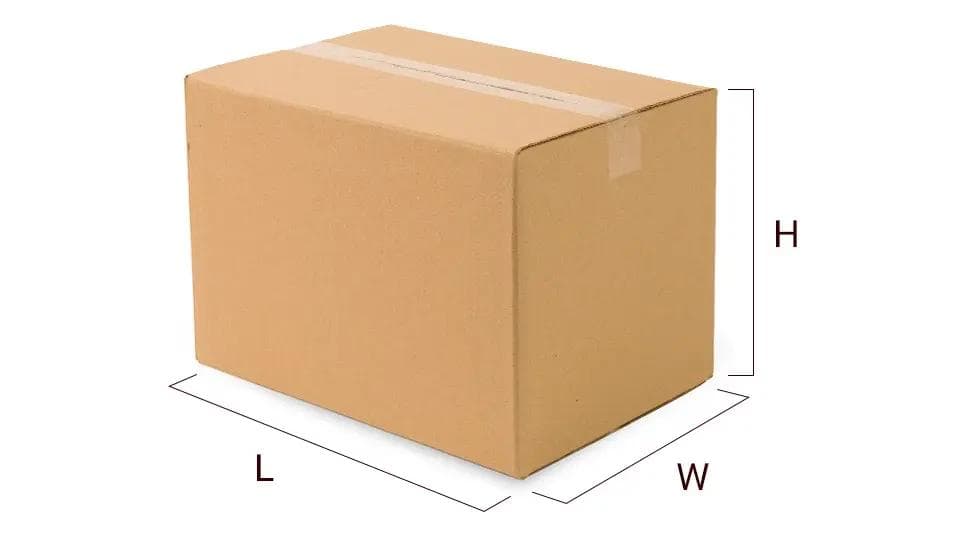
Weigh your parcel on a calibrated scale — not a bathroom scale — after it is fully packed and sealed, including all tape and internal padding. Measure all three dimensions at the widest points. If the box is not perfectly rectangular, measure the largest protrusion. Round up to the nearest centimetre.
Enter these numbers accurately when booking. If you are unsure, it is always better to declare slightly over rather than under — the price difference for a few extra kilograms is almost always less than a correction surcharge.
Repeated Misdeclarations
Carriers track the correction history of accounts. Repeated or significant misdeclarations can lead to your account being flagged, required to pay a deposit, or in extreme cases banned from the carrier's platform. Accurate declarations are not just a matter of cost — they are a condition of the carrier's terms of service.